 4.6
4.6Dobsonian Telescope
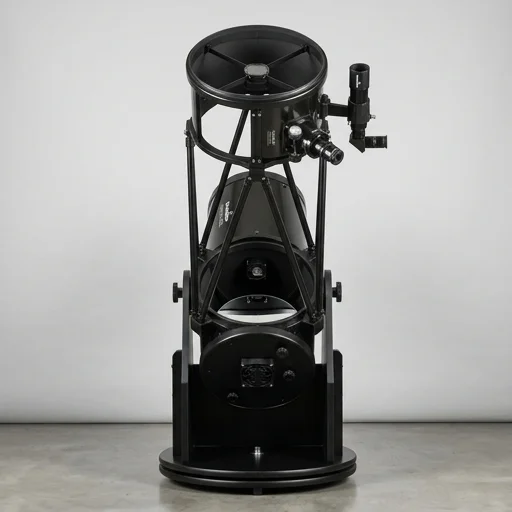
Sky-Watcher Skyliner 250PX Dobsonian Telescope
- Massive 250mm aperture
- Simple Dobsonian operation
- Sharp deep-sky views
Read review
 Nebula Porch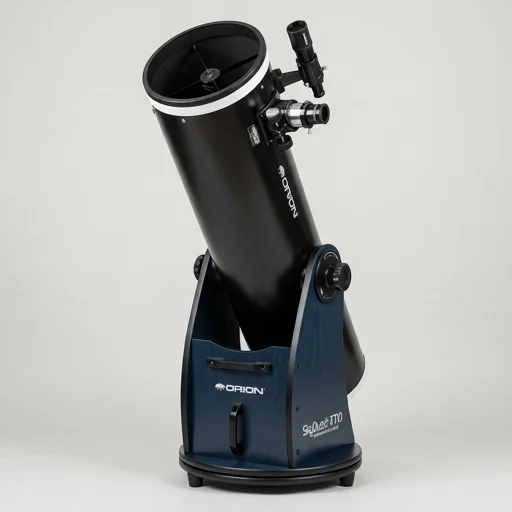
Orion
★★★★★ 4.7/5
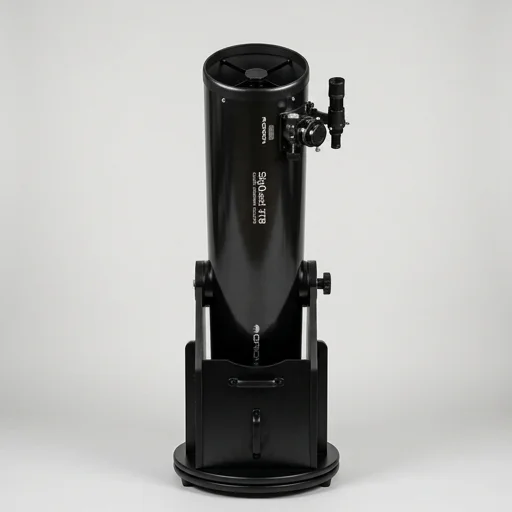
The Orion SkyQuest XT10 is a fantastic choice for intermediate to advanced amateur astronomers who want serious aperture without breaking the bank.
As an Amazon Associate we earn from qualifying purchases. Price and availability are checked at the retailer.
Verdict
The Orion SkyQuest XT10 is a fantastic choice for intermediate to advanced amateur astronomers who want serious aperture without breaking the bank. Its 10-inch mirror delivers impressively detailed views of planets, star clusters, and deep-sky objects, making it a favorite among visual observers. While it lacks GoTo automation and demands some manual collimation, its simplicity, durability, and optical performance make it one of the best value Dobsonians on the market.
Full review
The Orion SkyQuest XT10 is a classic Dobsonian reflector telescope designed for amateur astronomers who want serious aperture without the complexity or expense of a computerized go-to system. With a generous 10-inch (254mm) parabolic primary mirror and a focal length of 1200mm, this telescope gathers substantially more light than smaller scopes, revealing faint deep-sky objects like galaxies, nebulae, and star clusters with impressive clarity and detail. The simple yet sturdy Dobsonian base provides smooth altazimuth movement, allowing users to nudge the telescope by hand to track objects across the sky, making it an intuitive choice for both beginners and experienced observers who value straightforward, manual operation over automated tracking.
Built with a lightweight yet rigid particleboard base and a steel tube structure, the XT10 balances portability with stability, though its size and weight mean it's best suited for backyard use or short-distance transport rather than frequent travel. The telescope comes equipped with two Sirius Plossl eyepieces (25mm and 10mm), a 2-inch Crayford focuser for smooth focusing with minimal image shift, and a finder scope to help locate celestial targets before centering them in the main optical tube. Collimation is straightforward thanks to the included tools and accessible mirror cell, ensuring optical alignment remains precise even after transport or storage, which is essential for maintaining the crisp views this aperture is capable of delivering.
Ideal for observers who want to explore the Moon's craters in fine detail, resolve the rings of Saturn, or hunt down faint galaxies like Andromeda and the Whirlpool, the Orion SkyQuest XT10 delivers exceptional value for its price point. Its large aperture-to-cost ratio makes it a favorite among astronomy clubs and enthusiasts who prioritize light-gathering power and image quality over bells and whistles. While it requires a bit more physical effort to move and set up compared to smaller telescopes, the reward is a significantly more immersive and detailed view of the night sky, cementing the XT10's reputation as one of the best entry-to-intermediate level Dobsonians available for visual deep-sky observation.
The trade-off
5 strengths · 4 compromises
Nearby
Closest matches in Telescopes by aperture and score.
4.6Dobsonian Telescope
 4.4
4.4Telescope
 4.5
4.5Telescope
 4.6
4.6Dobsonian Telescope