 4.8
4.8Mount
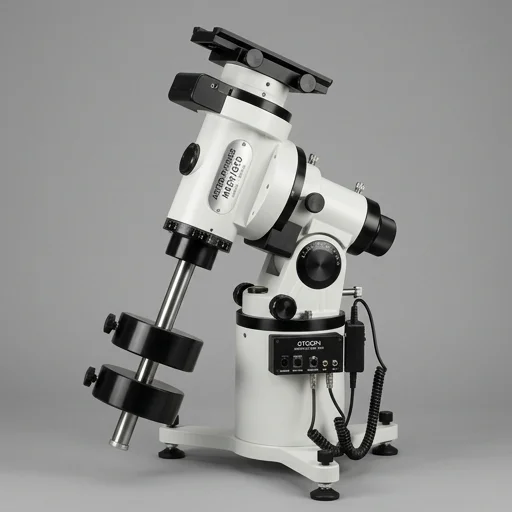
Astro-Physics Mach1GTO German Equatorial Mount
- Sub-arcsecond tracking accuracy
- Lightweight yet high-capacity
- Trusted astrophotography workhorse
Read review
 Nebula Porch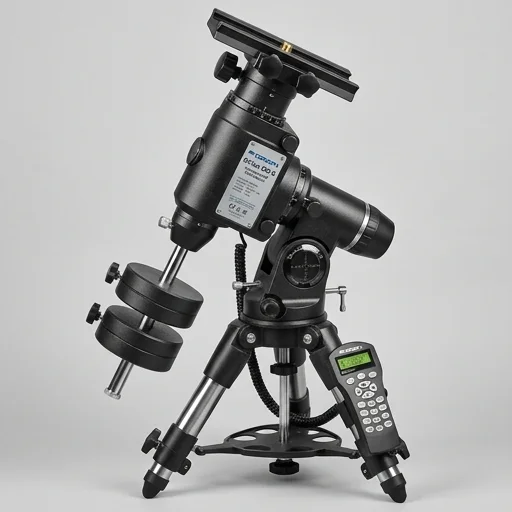
Orion
★★★★☆ 4.2/5
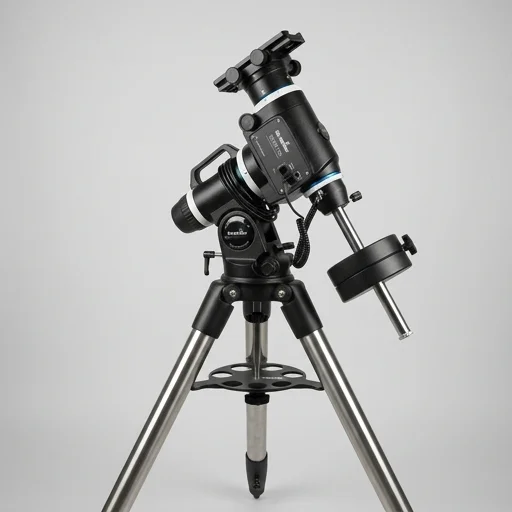
The Orion Sirius EQ-G is a capable mid-range German equatorial mount that bridges the gap between casual visual astronomy and serious astrophotography.
As an Amazon Associate we earn from qualifying purchases. Price and availability are checked at the retailer.
Verdict
The Orion Sirius EQ-G is a capable mid-range German equatorial mount that bridges the gap between casual visual astronomy and serious astrophotography. Its 30 lb capacity, GoTo tracking, and autoguider support make it a versatile choice for imaging small-to-medium telescopes, though the dated controller and occasional build quirks keep it from being top-tier. For the price, it remains a solid workhorse for intermediate astronomers.
Full review
The Orion Sirius EQ-G Mount stands as one of the most respected computerized equatorial mounts available to intermediate and advanced amateur astronomers, offering a robust platform for astrophotography and visual observation alike. Built around a German equatorial design, this mount features a GoTo computerized hand controller with a database of over 42,000 celestial objects, allowing users to locate and track galaxies, nebulae, star clusters, and planets with precision. Its dual-axis DC servo motors provide smooth, quiet tracking that compensates for Earth's rotation, keeping objects centered in the eyepiece or camera frame for extended viewing or long-exposure imaging sessions. The mount head itself is constructed from die-cast aluminum, giving it the strength needed to support a substantial payload while remaining manageable for setup and transport in the field.
Capable of carrying telescope optical tubes and imaging equipment up to 30 pounds, the Sirius EQ-G accommodates a wide range of instruments, from compact refractors to mid-sized reflectors and catadioptric telescopes, making it a versatile choice for observers who may switch between different optical tube assemblies. The mount includes an illuminated polar scope built into the right ascension axis, simplifying the process of polar alignment, which is essential for accurate tracking and long-exposure astrophotography. Setting circles on both axes assist with manual star-hopping when needed, while the sturdy tripod legs, typically constructed of steel, provide a stable foundation that minimizes vibration during imaging. The mount's latitude range and adjustable altitude bolts allow it to be configured for use across a broad range of geographic locations, giving observers flexibility whether they are setting up in northern or southern latitudes.
Beyond its mechanical strengths, the Orion Sirius EQ-G is valued for its compatibility with autoguiding systems, permitting connection to autoguider cameras through a dedicated ST-4 port, which helps correct small tracking errors during deep-sky imaging sessions that can last many minutes per exposure. The hand controller supports periodic error correction, further refining tracking accuracy over time as the mount learns and compensates for mechanical imperfections in the drive gears. Powered by a 12-volt DC source, the mount can run from an AC adapter at a permanent observing site or from a portable battery pack for remote dark-sky locations, adding to its appeal for astronomers who travel to find optimal viewing conditions. Altogether, the Sirius EQ-G represents a dependable, feature-rich mounting solution designed to support serious amateur astronomy pursuits, from casual planetary viewing to dedicated deep-sky astrophotography projects.
The trade-off
5 strengths · 5 compromises
Nearby
Closest matches in Mounts & tracking by aperture and score.
4.8Mount
 4.7
4.7Mount
 4.6
4.6Mount
 4.6
4.6Mount